April 28, 2026 • Mara Voss • 8 min reading time • Prices verified June 6, 2026
Vent Clip Refill Pads and Replacement Sticks: Stop Buying New Clips When a $6 Refill Does the Job
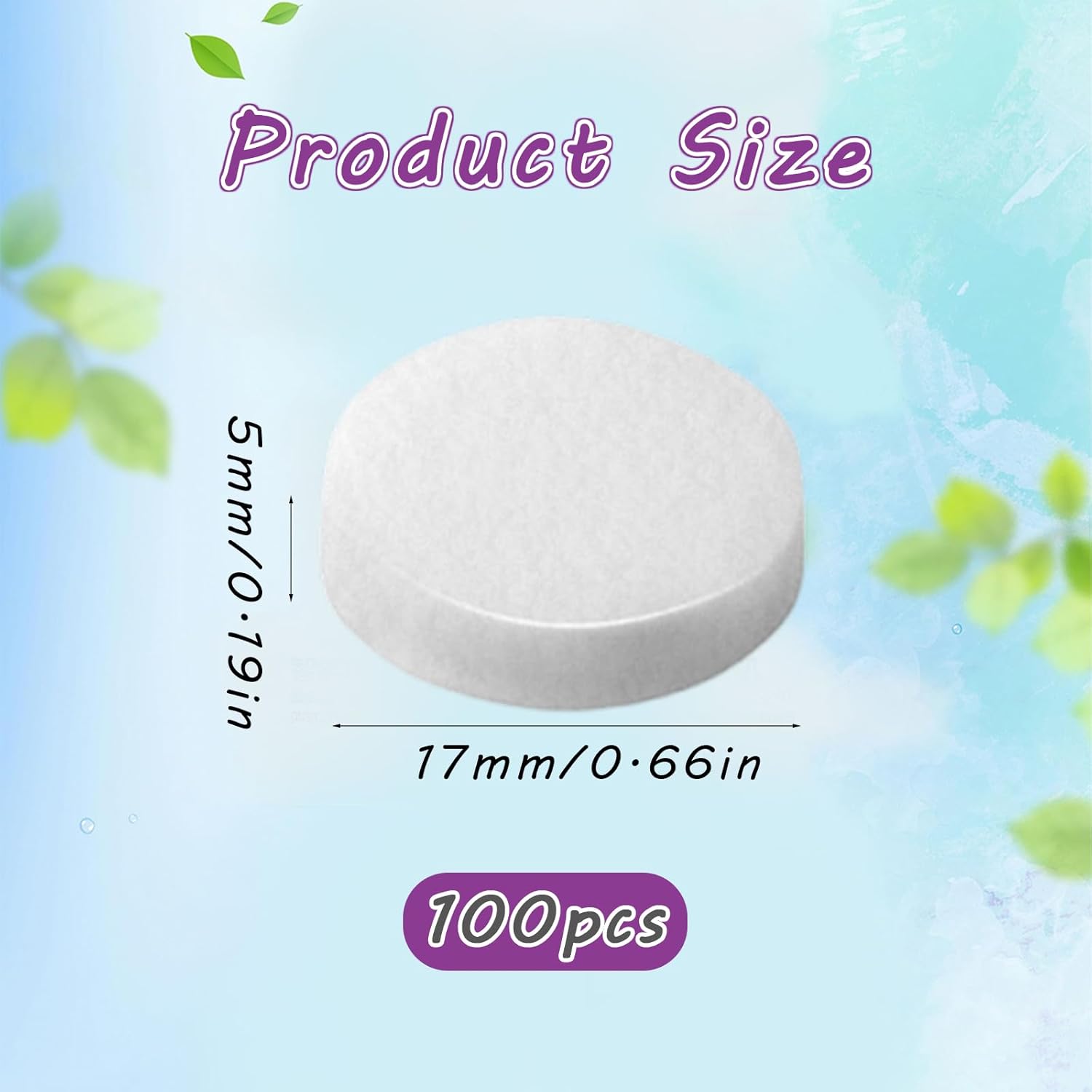
If you’ve ever tossed a spent car air freshener vent clip — the plastic device that snaps onto your dashboard vent and releases fragrance as air flows through it — and immediately bought an identical replacement, you’ve probably paid three or four times what you needed to. Most vent clips are designed around a two-part system: a reusable plastic housing (the clip mechanism, the vent-gripping arms, the decorative shell) and a replaceable scent element (a pad, stick, cartridge, or liquid reservoir) that holds the actual fragrance. The housing lasts for years. The scent element runs out in two to four weeks. This article is about learning the difference between those two parts, understanding which brands have genuine refill ecosystems, and making a decision about whether to invest in refillable hardware or stick with disposable clips — with the math laid out so the answer is obvious for your situation.
This isn’t purely about saving a few dollars, either. If you’re managing a detail operation, sourcing product for multiple client vehicles, or building a fragrance setup that reflects a deliberate aesthetic, refill economics compound fast. We’ll cover the mass-market options first, then move up to enthusiast and professional-grade systems.
| EDITOR'S PICK[Air Jungles New Car Scent Car A…](https://www.amazon.com/dp/B07LGL6LSF?tag=greenflower20-20) | Mid-tier[DRIVEJOY Car Air Freshener Vent…](https://www.amazon.com/dp/B09BB4V1Y8?tag=greenflower20-20) | Budget pick60Pcs Car Air Vent Clip Replace… | |
|---|---|---|---|
| Count | 6 | 8 | 60 |
| Scent options | New Car | 6 Ocean, 2 New Car | Unscented |
| Lasting time | Up to 180 days | Up to 240 days | — |
| Size | 4ml | — | 17mm |
| Natural oils | ✓ | — | — |
| Price | $14.99 | $9.98 | $5.79 |
| See on Amazon → | See on Amazon → | See on Amazon → |
How Vent Clip Refill Systems Actually Work (and Where They Break Down)
The refill pad model is simple in theory: fragrance is absorbed into or loaded onto a substrate — a fibrous pad, a polymer stick, or a wicking element inside a sealed cartridge — and that substrate slots into or snaps onto a housing. When the scent fades, you swap the substrate, not the whole unit.
In practice, the execution varies enormously by brand, and that variation is where most people get burned.
The pad-style refill (used by Febreze Car and several generics) is a flat fibrous disc or rectangle pre-saturated with fragrance. Febreze Car’s consumer support documentation confirms that their vent clip housing is designed to accept replacement pads; the housing itself is rated for multiple refill cycles. Pads typically run $5–$8 for a two-pack. The trade-off is fragrance intensity: pad systems tend to have a softer, more diffuse scent throw compared to cartridge systems, because they rely entirely on ambient airflow rather than any active dispersion mechanism. Reviewers at Car and Driver’s 2025 air freshener roundup noted this specifically — Febreze Car scores high on scent character and familiarity but moderate on projection in larger cabin vehicles.
The stick or solid refill is more common in mid-tier products — a molded or compressed fragrance stick that fits into a dedicated clip housing. These are slightly more durable in heat-exposed environments (think summer dashboards) because they don’t risk pooling or leaking the way liquid cartridges can. The trade-off is scent evolution: solid sticks tend to project a single flat note rather than the layered dry-down a liquid or gel refill can offer. If scent complexity matters to you, this format has a ceiling.
The liquid cartridge system — used by Pura’s automotive adapter, Onboard Scents, and several JDM-market imports — involves a sealed reservoir that meters fragrance via diffusion rate rather than raw airflow exposure. These cartridges are almost always proprietary: Pura cartridges fit Pura hardware, period. The advantage is control and longevity. The disadvantage, as Basenotes.net community discussions around car fragrance systems have flagged repeatedly, is ecosystem lock-in: once you buy the hardware, your refill options are bounded by whatever the brand decides to stock and price.
The key decision frame here: If you prioritize scent character and are willing to stay within one brand’s refill catalog, a cartridge system rewards you with longevity and consistency. If you want scent flexibility and low switching costs, pad or stick refills give you more freedom — including the ability to use third-party options.
Refill Ecosystem Map: Who Makes It Easy, Who Makes It a Trap
Not every brand that sells “refills” actually supports a genuine refill ecosystem. Here’s how the major players break down as of mid-2026.
Febreze Car (mass-market, $5–$9 range) Genuine refill pads are widely available at mass retail and online. The housing is standardized across their vent clip line, so a housing bought two years ago accepts current refill packs. Good Housekeeping’s 2025 car air freshener review specifically calls out the Febreze Car clip as one of the most accessible refill systems for casual buyers. Cost-per-day math runs favorable: a two-pack of refill pads at roughly $7 covers 60–90 days total, putting you at approximately $0.08–$0.12/day. Buying a new full clip each time at $10–$12 for a single unit runs roughly double that over a year.
Little Trees (mass-market, $2–$6 range) Little Trees hanging cardboard fresheners are disposable by design — there is no refill system, and the brand doesn’t market one. Some enthusiasts saturate spent trees with fragrance oil, but this is DIY territory, not a manufacturer-supported path. If you’re a volume buyer (detailers, fleet operators), Little Trees multipacks offer the lowest per-unit cost on the market, but you’re in a pure-disposable model. The Detailing Wiki’s interior fragrance overview notes Little Trees as a staple for short-term client presentation rather than ongoing scent management.
Vitalize Scents (enthusiast-tier, $35–$55 hardware / $12–$18 refills) Vitalize operates an explicit refill subscription model. Their cartridges are proprietary but the brand’s FAQ documentation confirms cross-compatibility within their entire hardware line — meaning a cartridge purchased for one of their clip housings fits any other Vitalize housing in their current catalog. That’s a meaningful differentiator versus brands that version-lock you. Owners on fragrance forums consistently report that Vitalize’s refill cartridges run close to the manufacturer-stated 45–60 day estimate in moderate-climate use. In high-heat environments (parked vehicles in summer), several report shorter duration — closer to 30–35 days — which is worth factoring into your actual cost-per-day number.
Pura Automotive (premium-tier, $45–$70 hardware / $18–$22 refills) Pura’s automotive diffuser adapter is one of the most-discussed products in the $50+ car fragrance space, partly because it borrows from their home diffuser platform. The cartridges are shared with their home line, which means you can rotate the same scent between your home unit and your car unit — a genuine lifestyle-integration argument. The trade-off is that Pura’s automotive adapter requires a USB-A or USB-C power source, making it incompatible with older vehicles without powered ports and awkward in some EV cabin layouts where power port placement varies. If you’re in a Tesla Model 3 or Y, or an EV with a center console redesign, confirm your port access before committing.
Onboard Scents (artisan-tier, $70–$120 hardware / $20–$35 refills) The highest-transparency brand in this category for ingredient disclosure. Their product listings and marketing materials explicitly flag phthalate-free formulations and provide fragrance composition notes down to the scent family level — something no mass-market brand does. For buyers managing asthma sensitivity or sourcing product for clients with chemical sensitivities, this matters. Reviewers across fragrance community spaces consistently note Onboard Scents’ inspired-by lineup as among the more accurate in translating designer fragrance profiles to the car format. The cost-per-day math at the top of their refill range runs approximately $0.35–$0.50/day — meaningfully higher than mass-market, but competitive within the artisan segment.
The Math That Makes the Decision
Here’s a side-by-side to anchor the numbers:
| Format | Hardware Cost | Refill Cost | Estimated Duration | Cost/Day |
|---|---|---|---|---|
| Febreze Car (full clip, new each time) | $10–$12 | — | 30 days | ~$0.37 |
| Febreze Car (housing + refill pads) | $10–$12 (once) | $7 / 2-pack | 60–90 days | ~$0.08–$0.12 |
| Vitalize Scents | $35–$55 (once) | $12–$18 | 45–60 days | ~$0.20–$0.40 |
| Onboard Scents | $70–$120 (once) | $20–$35 | 45–60 days | ~$0.35–$0.58 |
The Febreze math is the starkest illustration of the refill argument. At full-clip replacement pace, you’re spending roughly three times more annually than if you keep the housing and buy pads. That gap is why this article exists.
At the premium end, the cost-per-day numbers converge. The argument for Onboard Scents or Vitalize over Febreze isn’t primarily economic — it’s about scent quality, ingredient transparency, and the experience of having a fragrance that reads as intentional rather than functional. For professional detailers pricing scent service as a line item, the premium product also carries client-facing value that mass-market brands don’t.
If X, Then Y: The Decision Rules
If you’re managing one personal vehicle and want the lowest ongoing cost: Keep your Febreze Car housing and buy refill pads. This is the clearest no-brainer in this category. Procter & Gamble’s own product support documentation confirms the housing is designed to be reused. Stop throwing it away.
If you want a refillable system with genuine scent quality and cross-hardware flexibility: Vitalize Scents is the mid-tier pick. The confirmed cross-catalog cartridge compatibility means you’re not locked to a single housing model if you want to change clip placement or add a second vehicle.
If you’re sourcing product for client vehicles or a multi-car detail operation: Consider two separate purchasing tracks — Little Trees multipacks for short-term delivery-day presentation (pure disposable, no complexity), and a mid-tier refillable system for clients who are paying for ongoing scent maintenance as a service line. Mixing these avoids over-investing in hardware for one-time client interactions.
If ingredient transparency or chemical sensitivity is a constraint: Onboard Scents is currently the only brand in this category with documented phthalate-free refills and fragrance-family disclosure at the SKU level. The premium is real, but so is the differentiation. Good Housekeeping’s 2025 air freshener coverage flagged the general lack of ingredient disclosure across mass-market car freshener brands as an ongoing gap — Onboard Scents is one of the few exceptions.
If your vehicle is an EV or has an unusual vent configuration: Verify mounting compatibility before buying any clip system. Pura and Vitalize both list flat-blade vent compatibility; Pura’s power requirement adds a constraint that not every EV cabin easily accommodates. Hardware cost is low enough that a compatibility mistake isn’t catastrophic, but it’s an avoidable friction point.
The core principle across all of this: the housing is a one-time purchase. Treat it that way.