August 30, 2026 • Mara Voss • 11 min reading time • Prices verified June 6, 2026
Gel and Tea Tree Odor Eliminators for Cars: Amazon Basics, Kanberra, and Charcoal Bags Compared

If you have ever gotten into a car that smells like a wet gym bag — or worse, someone else’s cigarette habit from two owners ago — you already understand the problem these products are trying to solve. Odor eliminators are different from air fresheners: instead of layering a new scent on top of a bad one, they are designed to chemically neutralize or physically absorb the odor molecules themselves. The three formats compared here — activated charcoal bags (porous pouches filled with bamboo or coconut charcoal), charcoal-infused gel, and tea tree gel (a plant-derived antimicrobial formula) — all work passively. No plug, no spray, no battery. You place them in the car and let chemistry do the work. This article breaks down how each format actually performs, where each one fails, and which odor problem each is genuinely built for — so you make one purchase instead of three.
How Each Format Works (and Where the Logic Breaks Down)
Understanding the mechanism matters because it explains the limitations that owner reviews keep running into.
Activated charcoal bags work through adsorption — not absorption. The distinction is real: adsorption means odor molecules bind to the surface of the charcoal’s internal pore structure rather than dissolving into a liquid. Bamboo charcoal bags carry an enormous surface area per gram, giving them meaningful odor-trapping capacity. The behavior owners consistently report: no washing or replacement required, just one to two hours of direct sunlight per month to drive off trapped molecules and restore the pore surfaces. Apartment Therapy’s 2024 feature “Do Activated Charcoal Bags Actually Work?” confirms this solar-recharge mechanism is genuine and not marketing fiction, though the publication notes effectiveness varies by bag density and VOC (volatile organic compound) concentration in the space.
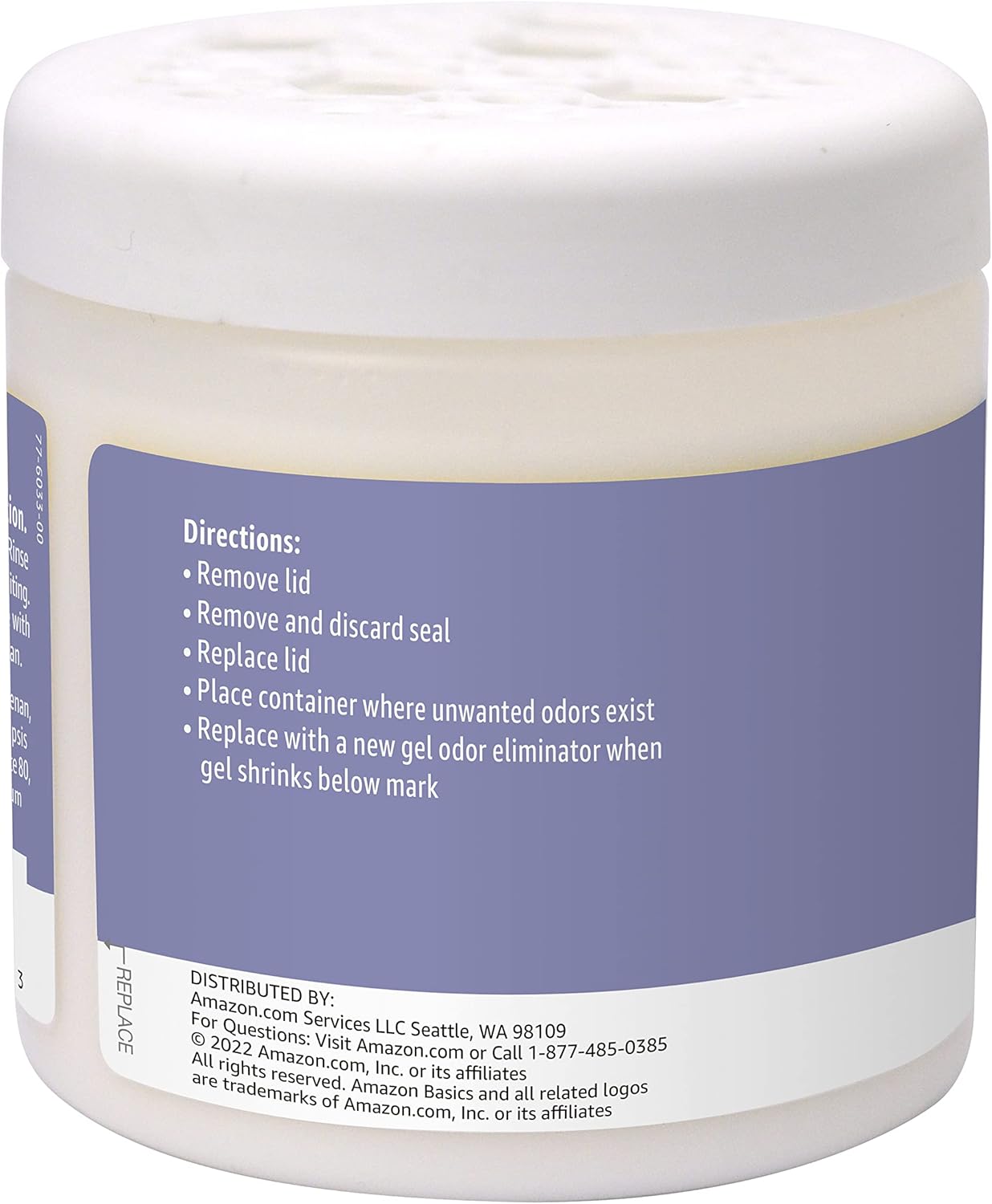
Charcoal gel — the Amazon Basics format — works similarly but suspends activated charcoal in a water-based gel medium. The gel evaporates slowly, which helps circulate air across the charcoal particles. When the gel dries out, the product is spent. There is no recharge cycle. Good Housekeeping’s 2025 “Best Car Air Fresheners and Odor Eliminators” roundup flags gel-format eliminators as solid value picks for enclosed spaces but notes their lifespan is environment-dependent — hot cars accelerate evaporation, shortening useful life considerably.
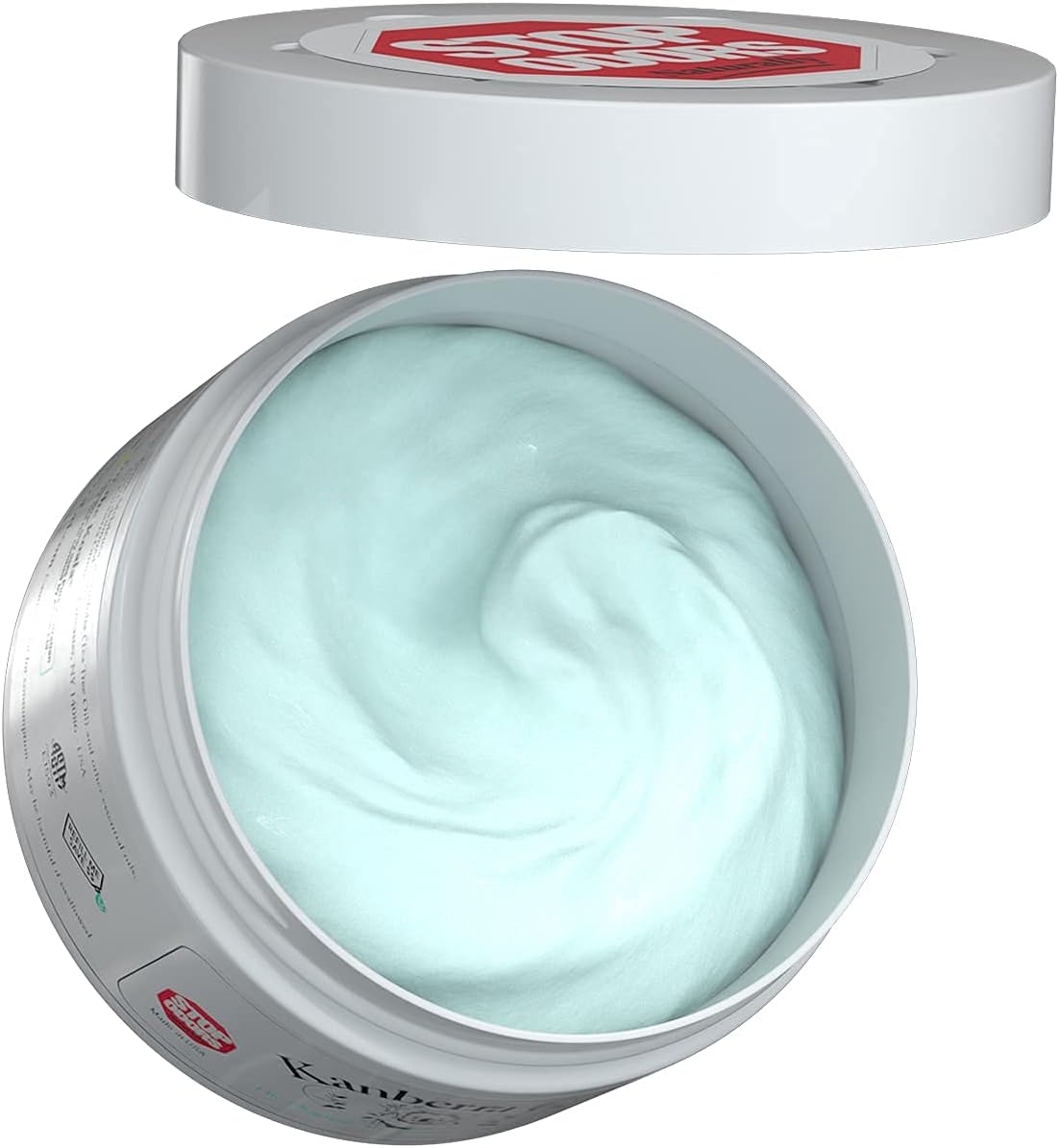
Tea tree gel, the format Kanberra uses, works through an entirely different mechanism. Tea tree oil — specifically its active compound terpinen-4-ol — has established antimicrobial properties. It disrupts mold, mildew, and bacterial cell membranes rather than physically adsorbing odor molecules. Detailing Wiki’s reference entry “Odor Elimination Techniques” draws this distinction clearly: charcoal handles chemical VOCs well; antimicrobial agents handle biological odor sources — mold, mildew, bacteria — more effectively. This is why Kanberra’s review profile skews so heavily toward musty-smell complaints, damp interiors, and allergy-adjacent issues rather than general car odors. It is the right tool for a specific job, not a universal solution.
Product-by-Product Breakdown
Activated Charcoal Bags
The reusability story here is genuinely strong. Owners in long-run reviews consistently report one to two years of useful life with monthly sun recharging, which puts the per-day cost well under five cents for most multipack configurations — math that beats every consumable gel or spray in this category. The mechanism is passive and fragrance-free by design, with no added scent and no VOC concerns for sensitive occupants. Car and Driver’s 2025 guide “How to Get Rid of Car Odors” recommends charcoal-based absorbers specifically for persistent, low-level ambient odors rather than acute smell events.
The real limitation is speed. Charcoal bags work over days and weeks, not hours. Reviewers who expect same-day results rate them poorly; reviewers who use them as a maintenance tool after a source-remediation cleaning rate them highly. If you have an active odor source — a food spill, a live mold problem — the bags will not fix it. They are maintenance, not treatment.
Placement tip from owner reviews: behind the rear seats or under them, not on the dashboard where direct sun can off-gas the bag prematurely between your monthly recharge cycles.
Amazon
$5.39
In stock on Amazon
Check price on AmazonAmazon Basics Charcoal Gel (Fragrance-Free)
Wirecutter’s 2025 guide “The Best Car Air Fresheners,” published by The New York Times, notes that charcoal-gel formats have gained ground as a cost-effective alternative to spray neutralizers for enclosed-space odor management. At least one owner who switched from Ozium — a widely used glycol-based odor neutralizer popular in the detailing world — to this gel specifically cited comparable effectiveness and lower cost as the deciding factors. That is a meaningful credibility signal because Ozium carries genuine loyalty among professional detailers.
The fragrance-free caveat is important to state plainly: at least one verified buyer reports a detectable perfume-adjacent note despite the “fragrance-free” labeling on the packaging. For truly fragrance-sensitive drivers — those managing asthma, chemical sensitivities, or fragrance allergies — this is not a minor footnote. It is potentially a dealbreaker. The label says fragrance-free; at least some noses disagree. If you are buying specifically to avoid any scent exposure, unscented charcoal bags carry less risk of this ambiguity.
Good Housekeeping’s 2025 car air freshener roundup also cautions that gel lifespan shortens meaningfully in hot-car environments, so buyers in warm climates should plan on more frequent replacement than the packaging suggests.
Activated
$21.99
In stock on Amazon
Check price on AmazonKanberra Tea Tree Gel
Kanberra earns specific praise in owner reviews for musty, mildew, and biological odor problems — the kind that accumulate in older vehicles with saturated foam padding, compromised AC drain pans, or water intrusion from a failing door seal. The tea tree mechanism addresses the microbial source rather than masking the symptom, which is why owners dealing with those specific problems report results that charcoal-only products do not match. Detailing Wiki’s “Odor Elimination Techniques” entry explicitly supports this framing: antimicrobial agents outperform adsorbents on biological odor sources.
Two product gaps come up repeatedly in owner reviews and are worth naming directly.
Longevity: reviewers consistently put useful life at around two months in a typical car environment. At least one owner explicitly wished for larger sizes or a refill option. Currently, neither exists in the Kanberra car product line — these are single-use units. For professional detailers turning over multiple vehicles, that per-unit cost compounds without a refill path to reduce it.
The Azuna comparison: one reviewer explicitly compares Kanberra to a competing product called Azuna, noting that Kanberra is cheaper but Azuna lasts longer and offers a refillable format. This is a real buyer dilemma worth taking seriously. If you are sourcing for a single vehicle and cost-per-month is your primary frame, Kanberra is the defensible pick. If you are running a mobile detail operation and want a refillable system to reduce per-unit spend at volume, Azuna’s refillable format may justify the premium — even though Azuna is not a featured product in this comparison. The honest answer is that neither product is clearly dominant across all use cases.
Kanberra
$21.99
In stock on Amazon
Check price on AmazonFormat Comparison at a Glance
| Format | Approx. useful life | Reusable? | Best for | Heat-sensitive? |
|---|---|---|---|---|
| Charcoal bags (multipack) | 1–2 years (rechargeable) | Yes | Ambient maintenance odors | Low risk |
| Amazon Basics charcoal gel | ~60–90 days | No | Moderate enclosed-space odors | Yes — shortens life |
| Kanberra tea tree gel | ~60 days | No | Mold, mildew, biological odors | Yes — shortens life |
What These Products Cannot Do
Good Housekeeping’s 2025 car air freshener roundup and Car and Driver’s 2025 odor guide agree on a point that saves buyers real money: passive odor eliminators — regardless of format — cannot remediate acute, embedded odors from cigarette smoke, pet urine, or severe mold without prior source treatment. Detailing Wiki’s “Odor Elimination Techniques” reference entry is explicit on this point: ozone treatment, thermal fogging, or enzymatic cleaners are required to break down embedded compounds first. Passive absorbers then maintain the result after the source has been treated.
Buying a charcoal bag or gel to fix a smoke-saturated car interior without any prior treatment is expecting a maintenance tool to perform a remediation job. This is not a criticism of these products — it is a realistic decision frame that prevents wasted purchases.
If the smell is mild to moderate and ambient, passive eliminators perform well. If the smell is strong, embedded, or sourced from an ongoing contamination — a wet floor mat, a blocked AC drain — fix the source first, then deploy a passive eliminator to hold the improvement.
The Decision Rule
- If you want low-maintenance, long-term ambient odor management at the lowest per-day cost: activated charcoal bags are the answer. Monthly sun recharging is the only recurring task, and a good multipack will outlast every gel product by a year or more.
- If you need a drop-in replacement for a spray neutralizer and you are cost-sensitive: Amazon Basics charcoal gel is a credible alternative to Ozium — just know that “fragrance-free” may not mean nose-free for everyone, and hot climates will shorten the effective window.
- If your problem is specifically musty, mildew, or biological odor in the cabin: Kanberra is the right-fit tool, but budget for roughly 60-day replacement cycles and evaluate whether Azuna’s refillable format makes more economic sense if you are managing multiple vehicles.
- If the odor is severe, embedded, or smoke-based: none of these products alone will solve it. Start with source treatment — enzymatic cleaner, ozone, or thermal fog — then use a passive eliminator to maintain the result.
Frequently Asked Questions
How do you recharge activated charcoal bags, and how often does it need to be done? Place the bags in direct sunlight for one to two hours, roughly once a month. The UV energy and heat drive trapped odor molecules out of the charcoal’s pores, restoring adsorption capacity. Apartment Therapy’s 2024 feature “Do Activated Charcoal Bags Actually Work?” confirms this mechanism is legitimate. There is no washing involved — water can actually reduce effectiveness by clogging pores. Most owners report the bags remain effective for one to two years with consistent monthly recharging.
Is the Amazon Basics charcoal gel truly fragrance-free, or does it have a scent? The packaging says fragrance-free, but at least one buyer reports a detectable perfume-adjacent scent. For most drivers this will not matter. For drivers with true fragrance sensitivities, asthma, or chemical allergies, it is worth knowing before purchase. Unscented bamboo charcoal bags carry a lower risk of this ambiguity if zero added scent is a hard requirement.
Can passive eliminators handle cigarette smoke smell in a car, or do you need a fogger? Passive eliminators alone typically cannot remediate embedded cigarette smoke. Smoke compounds — phenols, aldehydes, nicotine residues — bond to fabric, foam, and plastics at a depth that requires active treatment to break down. Car and Driver’s 2025 guide “How to Get Rid of Car Odors” makes this distinction clearly: ozone generators, enzymatic cleaners, or thermal foggers address the embedded problem; charcoal and gel products are appropriate as follow-up maintenance tools after remediation, not as the primary treatment.
How long does Kanberra tea tree gel last in a car environment? Owner reviews consistently put useful life at around two months under normal car conditions. Hot climates or vehicles parked in direct sun will shorten that window, since heat accelerates evaporation of the water-based gel medium. There is currently no refill option for the Kanberra car format, so plan for regular replacement if you are using it as an ongoing solution.
Is it safe to leave activated charcoal gel or bags in a hot car? Charcoal bags are heat-stable and safe to leave in hot vehicles — the worst outcome is accelerated off-gassing that shortens their useful life slightly. Gel formats (charcoal or tea tree) will evaporate faster in heat, reducing their effective lifespan but posing no safety risk. Neither format uses volatile flammable compounds, so heat is a longevity concern rather than a hazard concern. If your car regularly reaches extreme interior temperatures, expect shorter cycles between replacements for any gel product.
Can you use charcoal bags and a scented freshener at the same time without them canceling out? Technically yes — activated charcoal adsorbs odor molecules broadly but is not so aggressive that it strips a cabin of all scent instantly. In practice, a highly porous charcoal bag placed directly adjacent to a scented vent clip will absorb some of that fragrance, reducing throw. The practical fix: place the charcoal bag toward the rear of the cabin — under seats or in the trunk area — and keep the scented product at the front vents. Distance separates the two functions without either undermining the other.