August 5, 2026 • Mara Voss • 9 min reading time • Prices verified June 6, 2026
Build Your Own Refillable Car Diffuser: Glass Bottle Kits, Essential Oils, and the Real Cost of Going DIY
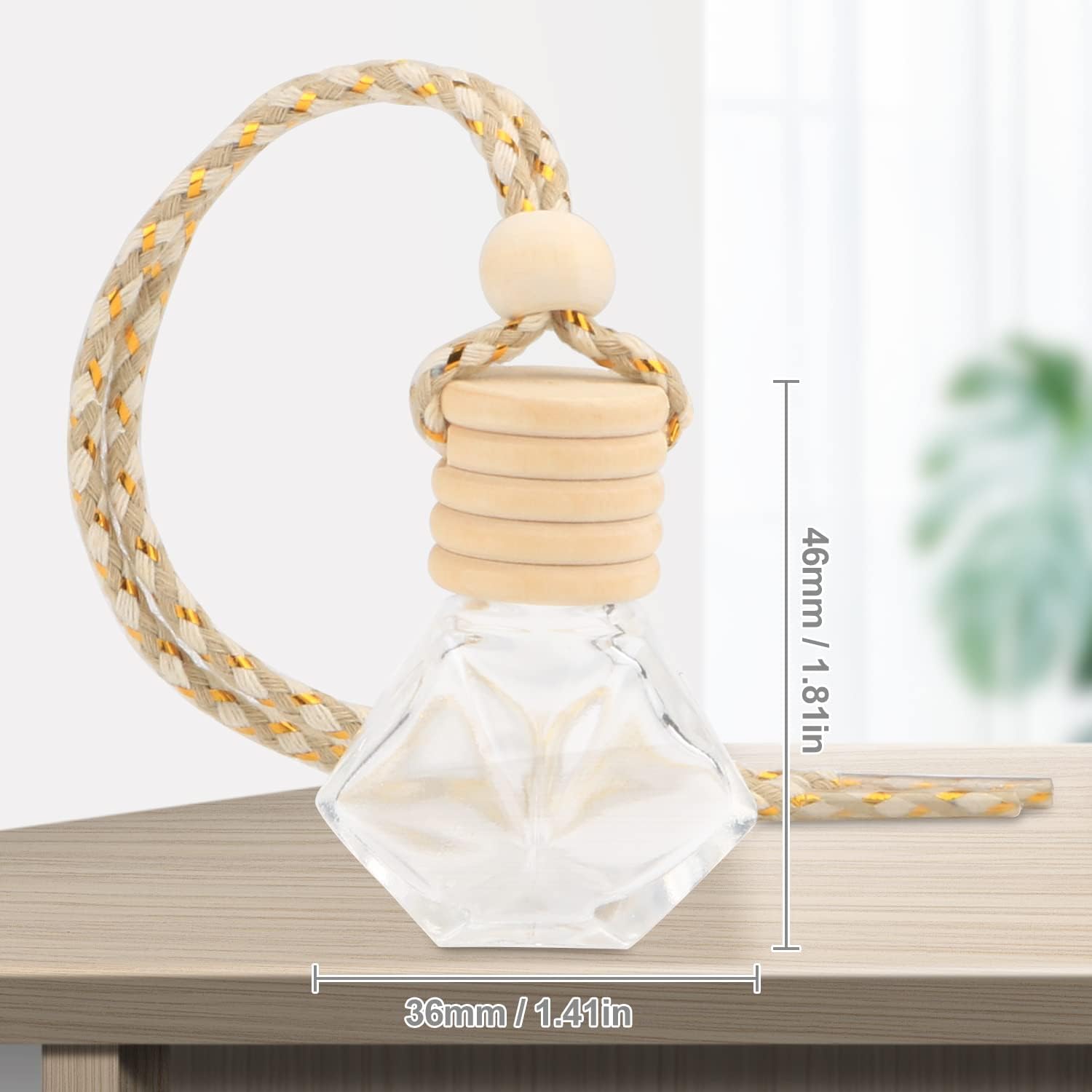
A refillable car diffuser is exactly what it sounds like: a small device — usually a glass or aluminum bottle — that you fill with your own fragrance oil or essential oil blend, then mount somewhere in your car so the scent slowly releases while you drive. Instead of buying a new air freshener every few weeks, you buy the hardware once and keep refilling it. The DIY version of this takes it one step further: rather than purchasing pre-made refill cartridges from a brand like Pura or Onboard Scents, you source your own raw ingredients — essential oils, carrier oils, a reed or passive diffuser bottle — and build the scent yourself from scratch. That sounds liberating and cost-efficient. Sometimes it is. Sometimes the math tells a different story, and the tradeoffs are real enough that they’re worth naming before you spend anything.
This guide is for the driver who already gets the refillable diffuser concept and is now asking the harder question: should I go full DIY, or buy into a pre-made refillable system? We’ll map out the actual build components, walk through the cost math at the $30, $60, and $100+ entry points, flag the ingredient and safety considerations that matter in a confined vehicle space, and end with a clear decision framework so you can act on this with your current setup in mind.
What a DIY Kit Actually Includes (And What You’re Really Buying)
Strip away the branding and a DIY refillable car diffuser has four components: a vessel, a diffusion mechanism, a fragrance concentrate, and a carrier or dilution medium.
The vessel is almost always glass — typically a 5 ml to 30 ml bottle. Glass is preferred over plastic because most essential oils and fragrance concentrates will degrade or leach chemicals from plastic over time, especially in a hot car where temperatures can spike above 140°F on a summer afternoon. Amber or cobalt glass provides UV protection, which slows oxidation of the oils inside. Aluminum vessels are a secondary option; they’re lighter and more durable in a bumpy cabin environment, but harder to monitor for fill level.
The diffusion mechanism determines how the scent actually gets into the air. Passive reed diffusers use thin fiber sticks (reeds) to wick fragrance oil upward and evaporate it slowly. Passive vent-clip diffusers use the car’s fan airflow to accelerate evaporation from a pad or porous material. Some DIY builds add a small battery-powered nebulizer — an ultrasonic or cold-air pump — for stronger scent throw, though this adds complexity and cost quickly.
The fragrance concentrate is where the creative and the chemistry converge. You’re choosing between pure essential oils (steam-distilled from plant material, often with aromatherapy heritage), fragrance oils (synthetic or blended aroma compounds engineered for a specific scent profile), or a hybrid blend. Fragrance oils tend to project more consistently and hold their scent structure longer in heat, which matters a lot in a car. Essential oils are more variable — top notes like citrus evaporate fast; base notes like sandalwood or vetiver linger. The Basenotes.net DIY car scent thread archive has years of community documentation on this, and the consensus is consistent: pure EO blends smell wonderful at first and fade significantly faster than properly formulated fragrance oils in a hot cabin environment.
The carrier or dilution medium — typically a neutral oil like fractionated coconut oil, sweet almond, or jojoba — determines dispersion rate and scent longevity. At higher dilution (say, 10–15% fragrance concentrate in carrier), the scent is safer for confined spaces but requires more frequent refilling. At 20–30% concentrate, scent throw improves but so does the intensity in a small enclosed cabin, which can become overwhelming or headache-inducing for passengers, particularly children or anyone with fragrance sensitivity.
The Real Cost Math: DIY vs. Pre-Made Refillable Systems
Here’s where the narrative gets complicated. DIY feels cheaper because you’re buying raw materials. But raw materials have minimums, learning curves, and waste built in.
By the numbers — entry cost comparison (May 2026 estimates):
| Path | Upfront Cost | First Refill Cost | Est. Cost Per Month |
|---|---|---|---|
| DIY Glass Kit + 3 EOs | $28–$45 | $6–$12 (per blend batch) | $3–$6 |
| Onboard Scents Starter Kit | $49–$65 | $18–$28 per refill | $9–$14 |
| Pura Car (hardware + 2 pods) | $55–$75 | $14–$22 per pod pair | $10–$18 |
| Little Trees multipack (baseline) | $8–$15 | N/A (disposable) | $4–$8 |
The DIY monthly cost looks compelling — until you factor in the initial investment to get the blend right. Essential oils worth using — not the bargain-bin synthetic stuff — run $8–$25 per 10 ml for quality mid-range options, and $30–$60+ per 10 ml for niche or specialty single-source oils. Building a usable three-note blend (top, heart, base) means buying at minimum three separate oils. If the first blend doesn’t work in-car the way it smelled on your wrist or in your home, you iterate. That’s a real cost in both money and time.
The National Association for Holistic Aromatherapy’s safety guidelines also note that many essential oils with compelling scent profiles — eucalyptus, peppermint, and several citrus oils among them — require careful concentration limits in enclosed, poorly ventilated spaces, particularly for households with young children, pregnant individuals, or people with respiratory sensitivities. Good Housekeeping’s 2025 car air freshener roundup flagged this point specifically: the confined volume of a car interior means ambient concentration of aromatic compounds can climb quickly, even from passive diffusers.
Where DIY Wins (and Where It Doesn’t)
DIY wins on: Custom scent identity. If you’re a fragrance collector who already owns a collection of single-material oils or artisan fragrance bases and wants your car’s cabin to smell like a bespoke extension of your personal scent wardrobe, no pre-made system can match that. You can dial in accord combinations that simply don’t exist at any retail price point. Detailing Wiki’s section on odor elimination and cabin scenting corroborates what professional detailers already know: the best long-term cabin scent strategy is layered — odor neutralization first, then fragrance layering — and DIY gives you the control to separate those phases cleanly.
DIY also wins on: Long-run cost once you’ve optimized your formula. A 10 ml blend at 20% concentration in carrier, dripped into a passive reed vessel, can last 3–5 weeks in mild climates. Once you’ve cracked a formula that works, refill cost drops substantially.
DIY loses on: Consistency and scent stability in heat. Pre-made refillable systems from brands like Onboard Scents and Vitalize Scents use fragrance formulas specifically engineered to perform in the 70–140°F temperature range a car interior cycles through. Fragrantica’s community discussion threads on essential oils in car diffusers document this challenge extensively: DIY blends frequently morph — citruses go flat, certain florals turn sour, and top notes disappear entirely within days of a hot parking cycle. The result is often a scent that smells good on Monday and strange by Thursday.
DIY also loses on: Mounting and compatibility. Glass bottle kits are passive vessels — they sit, clip, or hang. They’re not designed for flat-blade Tesla vents, the recessed vent architecture in newer BMWs or Rivians, or the specific airflow geometry of any particular cabin. Pre-made systems like Pura’s car adapter or Onboard Scents’ vent-mount hardware are engineered for vent-clip compatibility across vehicle types. A DIY glass bottle wedged against a vent is a vibration and spill risk that’s easy to underestimate.
Building the Kit: A Practical Starting Framework
If you’ve weighed the tradeoffs and DIY is the right call, here’s the decision architecture that holds up across the community’s collective experience:
Start with fragrance oil, not pure essential oil. Fragrance oils — properly sourced from a reputable supplier — hold their scent structure in heat far better than single-material EOs and are typically pre-tested for skin and air safety at recommended usage rates. IFRA (International Fragrance Association) compliance is the standard to look for on any fragrance oil you purchase.
Cap your fragrance concentrate at 15–20% in carrier for in-car use. This is the concentration range where scent is perceptible without becoming overpowering in a sealed cabin, and it aligns with what Detailing Wiki identifies as the appropriate threshold for ambient scenting in enclosed vehicle interiors.
Choose your vessel for your climate. In regions where summer interior temps regularly exceed 120°F, a narrower-neck vessel with a single thin reed will limit evaporation rate and extend your refill interval. Wider-mouth vessels or more reeds accelerate output — which is great in mild weather or for a driver who parks in a garage, but burns through a blend fast in Phoenix in July.
Build a scent log from your first blend forward. Note the ratio, the oils used, the date you filled, and your subjective rating at days 1, 7, and 14. This sounds tedious, but it’s the only way to iterate meaningfully. The Fragrantica community’s documentation of EO performance in cars shows that the people getting the best results are the ones tracking their blends systematically, not experimenting intuitively.
The Decision Framework
If X, then Y — plainly:
-
If you already own essential oils or fragrance bases and want your car to reflect a personal scent identity no brand sells: DIY is the right path. Budget $30–$50 upfront, expect 2–3 iterations before you land a blend you’re happy with in-car, and plan your vessel choice around your parking situation.
-
If you want premium cabin scent without the iteration overhead, or you’re scenting client vehicles and need consistency: Invest in a pre-made refillable system. The $55–$75 hardware cost from Onboard Scents or Pura buys you formulas that already work in heat and hardware that actually mounts cleanly. Cost-per-month is higher, but the per-iteration failure cost is zero.
-
If you’re a professional detailer or mobile car-spa operator scenting multiple vehicles: DIY blending in volume is economically attractive but operationally risky — one bad batch or an off-note blend in a client’s vehicle costs more in relationship capital than the oil savings are worth. Commercial-grade fragrance bases from established detailing supply channels, used in a standardized passive diffuser, split the difference: better margin than branded pods, more consistent than pure DIY.
-
If budget is the primary constraint and you’re still in the exploration phase: Start with a $10–$15 passive glass reed kit from a home fragrance supplier and a single quality fragrance oil. Prove the concept in your specific car before committing to a full DIY oil collection. The worst version of this hobby is a shelf of oils that don’t work in-car and a cabinet that smells better than your commute.
The refillable DIY path is genuinely rewarding when you approach it as a craft with real variables — not a shortcut. Name the tradeoffs, do the cost math for your actual use case, and the right answer becomes straightforward.