August 26, 2026 • Mara Voss • 11 min reading time • Prices verified June 6, 2026
The Compliment-Getter's Guide: Which Car Fresheners Passengers Actually Notice and Comment On
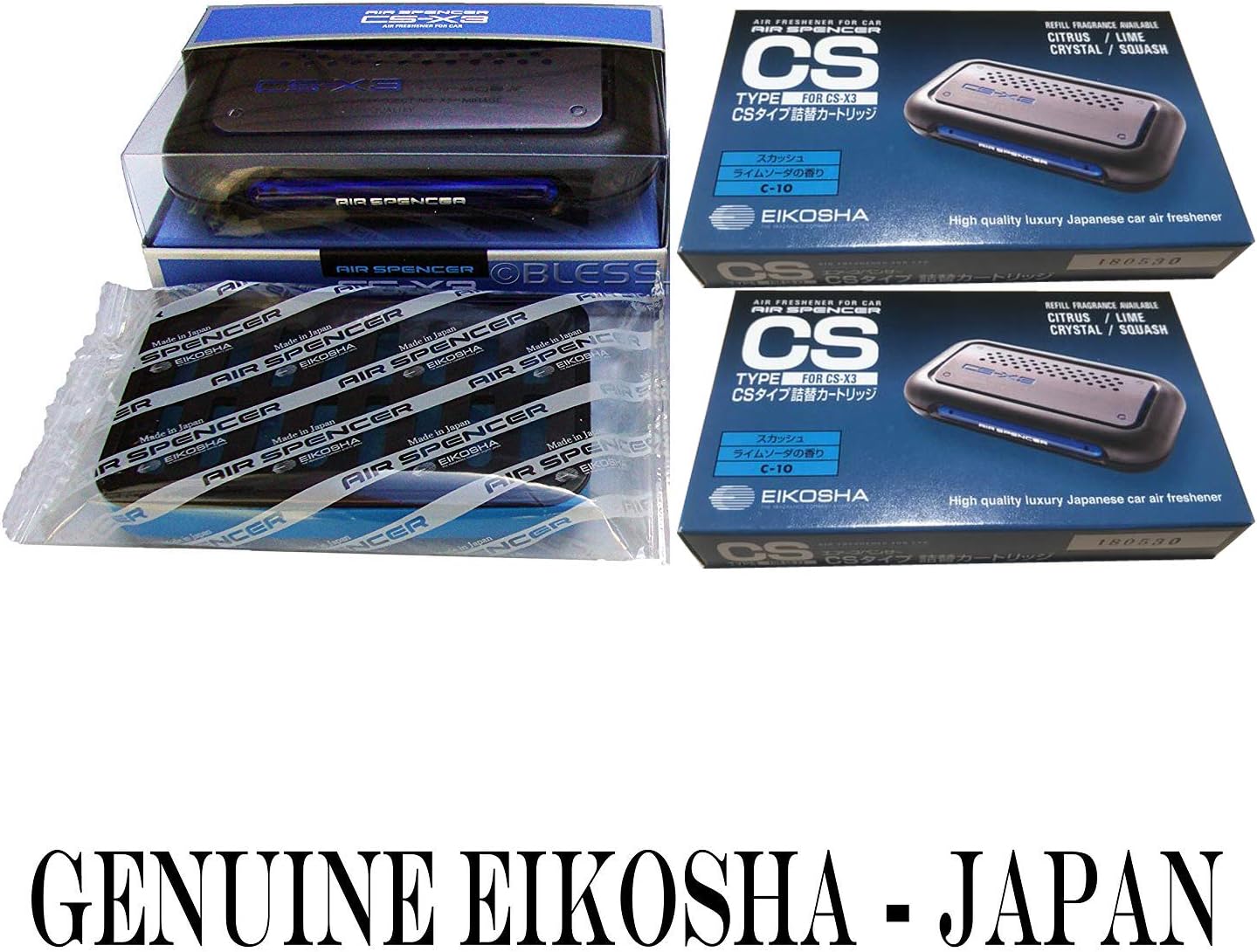
There’s a moment every car freshener owner eventually hits: you’ve had the same scent hanging from your rearview for three weeks, you genuinely can’t smell it anymore, and you assume it’s run out — until a friend slides into the passenger seat and immediately says “it smells so good in here, what is that?” That gap between what you notice and what your passengers experience is the whole ballgame. A car freshener — any product designed to add or maintain a pleasant scent inside a vehicle, from cardboard hangers to electronic diffusers — does double duty: it masks odors for you, but it performs for everyone else. This guide is specifically about that second job. We’re going to look at which products, scent profiles, and placement strategies consistently earn the out-loud compliment — and which ones just quietly do their thing without anyone ever remarking on them.
If you’re still building your freshener intuition, here’s the core framework: projection (how far a scent travels from its source), longevity (how long it stays detectable), and scent character (whether the fragrance reads as interesting rather than generic) are the three variables that separate compliment-earners from background noise. The rest of this guide applies that framework to real products with real purchase decisions.
Why Passengers Are Your Best Quality Control
The nose-blindness phenomenon — technically called olfactory adaptation, where your brain stops registering a constant stimulus — hits car owners fast. Community fragrance discussions on Basenotes.net consistently show that owners report losing conscious awareness of their vent clip or hanging freshener within two to five days of installation, sometimes sooner in smaller cabins. This isn’t a flaw; it’s basic neurology. The problem is it makes you a terrible judge of your own freshener’s performance.
Your passengers, by contrast, get the fresh-nose experience every single time they open your door. They’re not adapted. They notice everything. Across aggregated reviewer feedback on products like the Air Spencer CS-X3 Squash and the Chemical Guys leather line, the compliment pattern is one of the most consistent signals in the entire category — and it’s almost always coming from passengers, not owners. One widely circulated review of the Air Spencer CS-X3 Squash, aggregated by The Fragrant Man in their automotive freshener roundup, describes a drive-through cashier leaning into the window to ask what the car smelled like. That’s the gold standard: projection strong enough to cross cabin boundaries.
What this means practically: if you’re using passenger compliments as your performance metric — which you should — you need a scent that projects beyond the immediate vicinity of its source, has enough character to register as intentional rather than generic, and holds that character long enough that the third passenger in a week gets the same hit as the first. Weak throw, flat scent profiles, and rapid fade are the three ways fresheners fail this test even when owners don’t notice anything wrong.
The Products That Actually Get Talked About
Air Spencer CS-X3 Squash
The Air Spencer CS-X3 Squash is the most consistently mentioned compliment-earner across the JDM freshener segment. JDM stands for Japanese domestic market — products originally designed for Japan’s car culture, which often carry more sophisticated fragrance profiles than mass-market Western alternatives. The scent profile is hard to categorize in the best way: reviewers on The Fragrant Man’s automotive roundup pages and in Basenotes.net community threads describe it as melon-adjacent, slightly aquatic, clean but not sterile. It doesn’t smell like a freshener. That’s the key. Passengers in a wide range of vehicles report the same reaction: they get in, register the scent, and ask about it because it reads as personal rather than product.
The CS-X3 format is a solid gel unit that mounts on a flat surface — which matters for modern interiors with flat or louvered vents that can’t grip traditional clip-on units.
On the scent-character question that comes up constantly in community forums: is Squash masculine, feminine, or neutral? The fragrance community consensus reflected across Basenotes threads and The Fragrant Man’s roundups is that it reads as genuinely unisex — slightly more associated with fresh and clean profiles that skew neutral, with none of the musky heaviness that would push it masculine or the floral brightness that would push it feminine. Passengers rarely assign it a gender; they just register it as good.
CSX3
$25.75
In stock on Amazon
Check price on AmazonChemical Guys Leather Scent
Chemical Guys Leather Scent occupies a different lane. Where Squash projects a lifestyle aspiration — the clean, sophisticated cabin — the leather scent projects status: specifically, the status of a well-maintained, high-end interior. Reviewer aggregations across the Chemical Guys spray line consistently show the leather scent ranking first among their spray options for generating compliments, above their new car scent and their signature scent. The reason matters: leather is a recognizably premium material cue. Even passengers who don’t consciously process it are registering “this car smells expensive.”
One particularly useful reviewer note, captured in The Fragrant Man’s Chemical Guys coverage, describes opening the door the morning after application and experiencing the scent fully for the first time. The dry-down phase — the stage after initial spray when top notes fade and the deeper base scent settles — often produces a richer, more complex projection than the immediate post-spray version. This is relevant if you’re evaluating whether your spray application worked: give it a night, then get a fresh-nose read.
A common question: does the leather scent work in a car without actual leather seats? Reviewer consensus across multiple aggregation sources says yes — the scent doesn’t require a leather substrate to read as leather. It works as an aspiration rather than an enhancement. Fabric, vinyl, and mixed-material interiors all carry it effectively.

Chemical
$10.99
In stock on Amazon
Check price on AmazonPrestige Inspired-By Cartridge Formats
A growing category of vent-mount cartridge fresheners draws its scent DNA from well-known prestige personal fragrances — specifically, aquatic and aromatic profiles associated with high-end European houses. One widely reviewed example in this category, which reviewers on Basenotes.net and The Fragrant Man’s cartridge roundup describe as referencing the aromatic-woody profile of luxury masculine colognes, generates a specific and memorable compliment pattern: passengers who recognize the fragrance family ask immediately where the scent is coming from, and passengers who don’t recognize it still register it as expensive cologne rather than air freshener.
Note on product identification: this guide deliberately avoids citing bare product catalog identifiers. If you’re researching this category, search for “prestige inspired car freshener cartridge” alongside reviewer roundups from Basenotes.net or The Fragrant Man for current, verified options.
The tradeoff with inspired-by personal fragrance scents in a car cabin is polarization: they feel like a deliberate statement, which some passengers love and some find overpowering. Projection management — using lower dial settings and placing the unit away from direct high-airflow vents — matters more with this category than with any other.
Drift
$29.95
In stock on Amazon
Check price on AmazonPura Car Pro
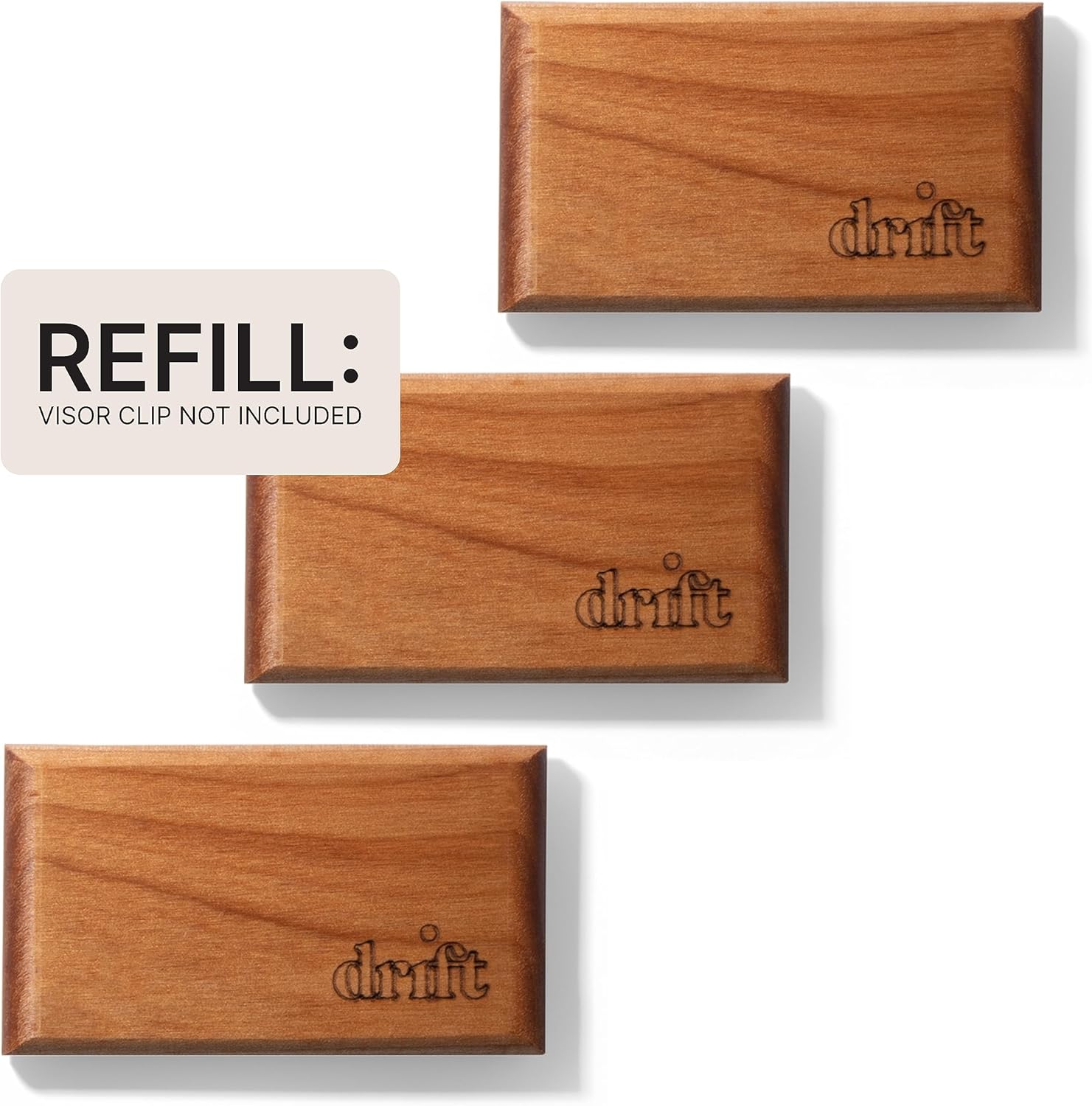
Pura Car Pro earns its compliments through a different mechanism entirely. Reviewers across the smart-diffuser category note that the auto-on/off cycling system — which modulates intensity on a schedule rather than running constantly — means passengers entering the car hit a fresh scent burst rather than a faded baseline. That cycling creates the fresh-nose effect artificially: passengers always get the peak, while owners, who are nose-blind to the baseline, stop noticing it. The Pura Car Pro reviewer community specifically cites passenger validation as the proof point that the subdued automated system delivers enough scent to matter, and the cycling model is part of why it out-performs always-on diffusers for generating compliments rather than just odor management.
Drift
$29.95
In stock on Amazon
Check price on AmazonThe Math on Compliment-Earning Formats
| Format | Avg. projection radius | Passenger-compliment signal | Best use case |
|---|---|---|---|
| Gel/solid (Air Spencer CS-X3) | Whole cabin | Very high — “asked by strangers” reports common | Daily drivers, small-to-mid cabins |
| Spray (Chemical Guys) | Whole cabin immediately, fades | High for 24–48 hrs post-application | Before passengers, detail prep |
| Smart diffuser (Pura Car Pro) | Whole cabin in bursts | High — validates the on/off model | Consistent daily use, long ownership |
| Inspired-by cartridge | Vent zone + mid-cabin | High with fragrance-aware passengers | Enthusiasts, prestige-signal drivers |
| Standard vent clip | Vent-proximate only | Low-to-moderate — rarely generates compliments | Odor management, not projection |
Chemical
$10.99
In stock on Amazon
Check price on AmazonCSX3
$25.75
In stock on Amazon
Check price on AmazonDrift
$29.95
In stock on Amazon
Check price on AmazonThe honest takeaway from the format comparison: standard vent clips are the most common format but the least likely to earn compliments. They’re effective at what they do — releasing scent when the fan runs — but they’re vent-proximate rather than cabin-filling. Passengers in the back seat or across the cabin from the vent may never register them at full strength.
Good Housekeeping’s product evaluation methodology for home and auto fragrance (documented in their fragrance product review series) consistently emphasizes diffusion method as the primary predictor of whole-room versus source-adjacent scent experience. The same principle applies in a car: the format determines the radius, and the radius determines who actually notices.
Placement, Layering, and Not Overdoing It
For gel and solid formats, dashboard placement — center, near the HVAC intake if possible — beats rear-window or mirror hanging. You want the cabin airflow to pick up and distribute the scent rather than concentrate it in one zone. Car and Driver’s cabin air quality feature coverage notes that modern HVAC systems with recirculation mode create a closed loop; engaging recirculation after placing a fresh gel unit speeds distribution significantly and is one of the more useful practical tips that doesn’t get enough attention in product packaging instructions.
For spray formats, the timing insight from aggregated reviews is consistent: spray on fabric surfaces — seat backs, headliner, floor mats — rather than hard surfaces, and do it the evening before heavy passenger use. The dry-down effect produces better projection the next morning than an immediate post-spray window.
Detailing Wiki’s professional detailer guidance on scent systems specifically addresses layering, and their recommendation maps onto what fragrance community reviewers independently conclude: work within a single olfactory family. Clean and aquatic with clean and aquatic. Woody with woody. Crossing fragrance families — a fruity gel alongside a leather spray, for example — creates what reviewers consistently describe as a “chemical” impression rather than a sophisticated blend. When in doubt, use the spray as a base and choose a gel or clip in the same scent family for continuity.
On overdoing it: reviewers across every product category note that the passenger complaint threshold — when “what is that smell?” becomes a negative rather than a positive — is reached faster than most owners expect, precisely because owners are nose-blind and keep increasing intensity trying to smell their own freshener. The practical rule: set your diffuser or gel placement one level below where you think it needs to be, and trust the fresh-nose passenger to tell you if it’s enough. The Pura Car Pro’s cycling system is partly solving this problem mechanically by preventing the owner from chasing a scent that’s already there.
Frequently Asked Questions
How do you keep smelling your own car freshener after you’ve gone nose-blind to it? You don’t, fully — and that’s normal. The most practical approach is to step out of the car for at least 15–20 minutes, then re-enter for a fresh read. Some owners keep a second, different scent for occasional use as a reset. But the honest answer is to stop using your own nose as the quality metric and use passenger reactions instead. Olfactory adaptation is the mechanism; passengers are the workaround.
Which freshener formats project scent to the whole cabin rather than just near the vent? Gel and solid units like the Air Spencer CS-X3 and smart diffusers like the Pura Car Pro are the strongest whole-cabin performers. Spray formats deliver whole-cabin projection immediately after application but fade faster than solid formats. Standard vent clips are the weakest for whole-cabin throw because they’re tied to a single vent’s airflow zone.
Is the Air Spencer CS-X3 Squash scent considered masculine, feminine, or neutral by passengers? Consistently neutral across fragrance community feedback. Reviewers on Basenotes.net and in general retail aggregations describe it as fresh, clean, and melon-adjacent — no strong gender association. It’s one of the reasons it generates compliments across a wide passenger demographic rather than only from those who share the owner’s taste profile.
How do you layer two scents without the combination smelling bad? Stay within the same olfactory family — fresh and aquatic with fresh and aquatic, woody with woody. Avoid crossing fragrance families. Use one format as the dominant base, typically a spray or solid, and a lighter format like a clip or gel as the sustaining layer. Less is more: if you can detect both individually, the combined effect in a closed cabin will be stronger than you expect.
Does the Chemical Guys leather scent work in a car that doesn’t actually have leather seats? Yes. Reviewer consensus is consistent: the scent reads as leather regardless of the actual seat material. It functions as an aspirational scent cue, not a material-enhancement product. Fabric, vinyl, and synthetic interiors carry it effectively.