September 2, 2026 • Mara Voss • 8 min reading time • Prices verified June 6, 2026
Air Spencer CS-X3 Squash: The JDM Cult Classic That Fragrance Enthusiasts Actually Rate
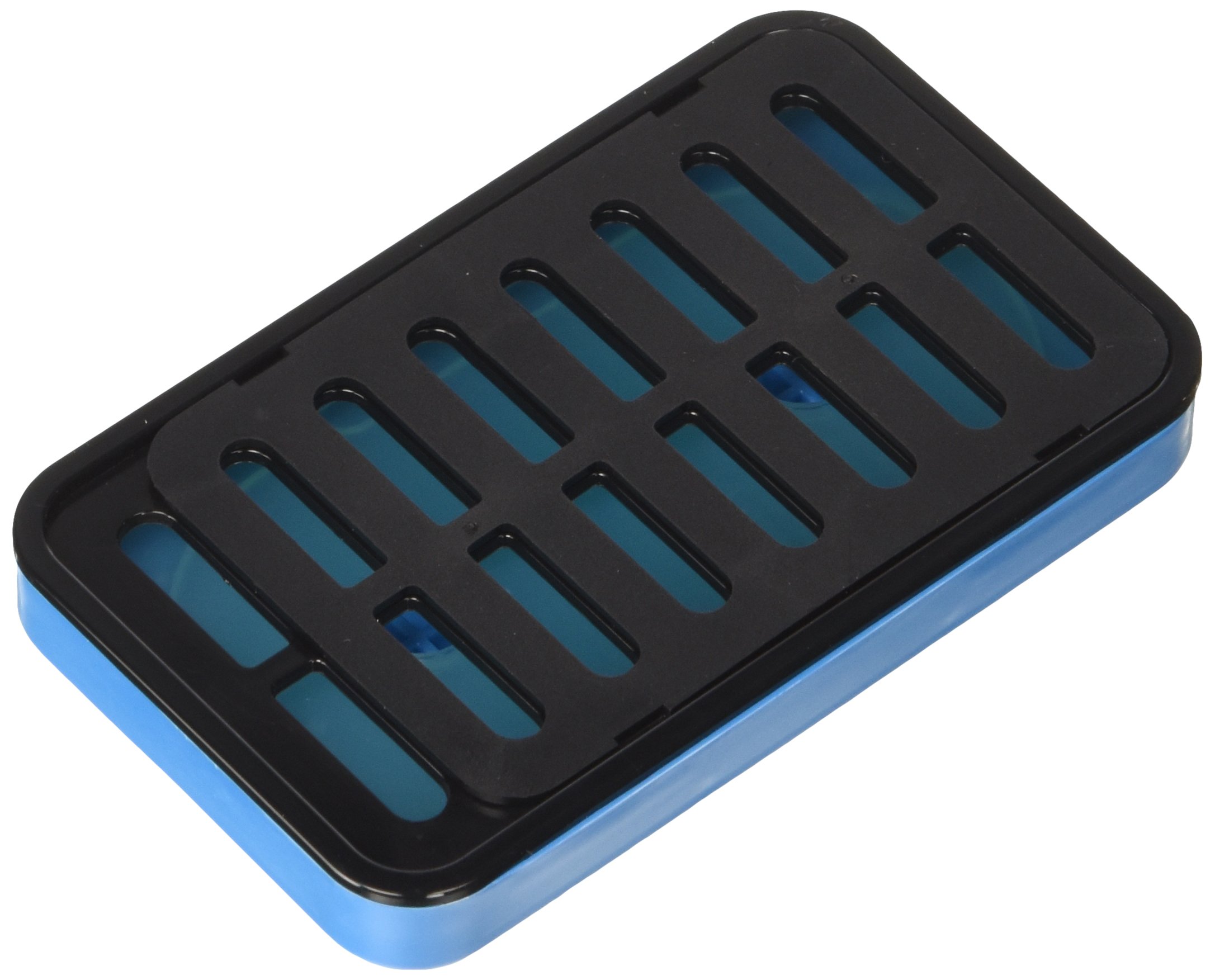
If you’ve spent any time in JDM (Japanese Domestic Market) car culture — the enthusiast world built around Japanese-made vehicles, tuning, and automotive lifestyle — you’ve almost certainly seen a small, boxy, chartreuse-colored cartridge clipped somewhere in a driver’s cabin. That’s the Air Spencer CS-X3, made by Carmate in Japan, and the Squash variant is its most famous scent. In plain terms, it’s a solid gel air freshener that sits in a vented plastic case and releases fragrance passively — no electricity, no clip required, no moving parts. What makes it interesting is that this $8–$12 freshener has earned legitimate praise from people who also spend serious money on niche perfumery. If you’re trying to figure out whether the hype is real, how it compares to pricier alternatives, and whether it belongs in your rotation or your client’s vehicle, this is the breakdown you’re looking for.
What Squash Actually Smells Like (And Why the Name Doesn’t Help)
“Squash” is the scent name on the packaging, and it tells you almost nothing useful. This is not a green vegetable, not a sports court, and not quite like anything in the mass-market American freshener aisle.
Across aggregated Fragrantica discussions and the Basenotes community thread on JDM car fresheners, the scent profile that reviewers keep returning to is: a clean, slightly sweet, subtly aquatic green — somewhere between a fresh-cut melon rind, a cool cucumber accord, and a soft white musk base. Some describe it as “the inside of a Japanese convenience store in the best possible way.” Others map it loosely to the DNA of clean aquatic fragrances from the 1990s, without the harshness that dates many of those compositions.
What consistently stands out in long-run reviews is what Squash doesn’t do: it doesn’t go synthetic-sharp when warmed by cabin heat, it doesn’t skew chemical or floral in a way that divides passengers, and it doesn’t develop the sour middle-stage that plagues cheaper gel fresheners as they age. Detailing Wiki’s guidance on cabin odor control notes that fresheners with a clean aquatic or cucumber-adjacent profile tend to be the most passenger-neutral — which tracks with why Squash became a go-to for detailers who need a scent that clients neither love loudly nor complain about.
The dry-down — the way the scent evolves over hours of slow diffusion — reportedly stays in the same lane as its opening rather than shifting to something heavier. That consistency is rarer than it sounds in the sub-$15 tier.
By the Numbers
| Spec | Detail |
|---|---|
| Street price (single unit, U.S. import) | $8–$12 |
| Estimated longevity | 30–45 days at typical cabin temperatures |
| Format | Solid gel in vented case; passive diffusion |
| Scent family | Aquatic / clean green |
| Origin | Japan (Carmate Co., Ltd.) |
| Cost per day | ~$0.22–$0.40 depending on source price |
At roughly $0.25–$0.40 per day, the CS-X3 sits in a curious middle position: it’s meaningfully more expensive per-day than a Little Trees hanging freshener (~$0.10–$0.15/day) but considerably cheaper than a premium refillable diffuser system like Onboard Scents or Pura, which run $1.00–$2.50+/day when you factor in hardware amortization. The cost-per-day math actually favors the CS-X3 if you value scent consistency over the premium ecosystem experience.
How It Mounts, and Where That Creates Problems
The CS-X3 sits in a case with a dashboard or console suction cup and a small vent-clip attachment option. That’s fine for the vast majority of vehicle types — any textured dash or flat surface works — but it’s worth naming the friction points before you buy.
Tesla and EV vent compatibility: Modern EVs, and particularly Tesla Model 3 and Y interiors, use horizontal slot vents that don’t play well with traditional clip-on mount geometry. The CS-X3’s passive diffusion doesn’t require a vent clip to function, so this is less of a problem than it is for vent-clip-dependent products. It can sit on the dash or in a cupholder cradle, but the scent throw in a large EV cabin (especially with aggressive HVAC recirculation) will be noticeably softer. Owners in EV forums consistently report needing to run two units in larger cabins for equivalent throw to what one unit delivers in a compact ICE car.
Cabin heat in summer: The solid gel diffuses faster in high-heat environments. Carmate’s own guidance (per packaging documentation) notes the unit is designed for ambient temperatures under 40°C / 104°F. Owners in hot-climate markets — Texas, Arizona, Southern California — consistently report longevity closer to 25–35 days rather than the 45-day upper estimate. For detailers sourcing these for client vehicles that will sit in direct sun: price the replacement cycle accordingly.
Airflow dead zones: Because this is passive diffusion rather than a vent-driven system, placement matters more than it does with a powered diffuser. On a still dash with no airflow, the scent can pool locally rather than distributing through the cabin. Car and Driver’s roundup coverage of passive gel formats notes that centering placement near an HVAC return path significantly improves throw consistency — something most buyers don’t think about until the second or third unit.
The Fragrance Community’s Take: Why This Isn’t Just Nostalgia
The CS-X3 Squash has an interesting credibility problem in reverse: it’s cheap, it’s mass-produced, and it looks like something from a convenience store shelf — because in Japan, it often is. So why do Fragrantica reviewers and Basenotes regulars, who spend their time parsing the oakmoss in vintage Hermès formulations, consistently give it serious respect?
The honest answer from community discussions is twofold: the composition is genuinely good for what it is, and it doesn’t try to be something it isn’t. Fragrantica user reviews of the Squash scent family note that the aquatic-green accord reads as intentional and balanced rather than functional-industrial — the way a Muji room fragrance reads differently from a generic pine tree hanging card, even if neither is positioning as luxury perfumery.
Good Housekeeping’s 2025 freshener evaluation panel — which tests for scent naturalism and cabin longevity alongside basic functionality — recognized the import JDM segment as a distinct category worth evaluating against domestic mass-market products. The pattern across their coverage and community aggregation is consistent: imported Japanese freshener formats, Carmate’s line included, tend to outperform domestic equivalents at equivalent price points on scent naturalness and longevity.
For the fragrance collector who also cares about their car environment: this is a guilt-free everyday driver. It’s not a replacement for a $90 Onboard Scents cartridge, but it’s also not in competition with one.
Practitioner Decision Frame: If X, Then Y
You’re reading this because you have a decision pending — either for your own vehicle or for client vehicles you’re sourcing for. Here’s the explicit trade-off map:
If you want the most passenger-neutral, universally acceptable scent profile at minimum cost: Squash is the correct call. No scent in the sub-$15 tier has a longer track record of not generating complaints, based on community consensus and detailer forum reporting.
If you’re sourcing for a fleet or detail shop and volume pricing matters: Import pricing from U.S. distributors (not grey-market — legitimate U.S. importers stock these at retail) typically lands at $8–$10 per unit in single quantities. Multi-packs of 6–12 units can bring that to $7–$8.50 per unit. At that math, cost-per-client-vehicle is competitive with anything in the accessible tier and eliminates the scent-consistency variance you get from cheaper domestic alternatives.
If your client vehicles sit in extreme heat (Phoenix, Miami, Houston) and you need predictable 30-day freshness windows: The CS-X3 will underdeliver on longevity. At those temperatures, you’re looking at a 3-week effective window before scent noticeably diminishes. Either factor in a shorter replacement cycle or move to a vent-clip diffuser with adjustable output where you can dial back diffusion rate to extend cartridge life.
If you’re in a large EV cabin and need strong scent throw: One CS-X3 unit won’t cut it. Either run two units or step up to a powered diffuser — Pura’s 12V adapter format or Onboard Scents’ cabin-optimized hardware will outperform passive diffusion in that environment.
If your client base expects brand-name prestige on the unit itself: The CS-X3’s visual profile — chartreuse Japanese packaging, Carmate branding — reads as a hobbyist pick rather than a luxury signal. That’s fine for an enthusiast-facing clientele and an active positive for JDM-culture clients, but it won’t read as premium to a luxury detailing client who expects Creed or Maison Margiela adjacent presentation. Know your audience.
If you’re a fragrance enthusiast just adding it to your personal rotation: Buy one. At $10, the research cost is essentially zero, and the community consensus is strong enough that the risk is low. The Squash variant is the correct starting point — other CS-X3 scents (Relaxing, Shower Cologne, Giga Sport) have fans, but Squash is where the cult status lives and the consensus is clearest.
The Bottom Line
The Air Spencer CS-X3 Squash earns its reputation not through marketing but through a genuinely unusual combination: a well-composed scent that happens to come in a functional, affordable, durable package with decades of real-world testing behind it. It won’t replace a premium diffuser system if that’s what your situation calls for, and it has real limitations in heat-intensive and large-EV environments. But as a daily-use cabin freshener, a fleet workhorse, or a low-risk entry point into Japanese import car fragrance culture, it’s one of the few products in the sub-$15 tier that the fragrance enthusiast community actually rates — not as a novelty, but on its merits.
That’s a short list.