August 14, 2026 • Mara Voss • 11 min reading time • Prices verified June 6, 2026
Activated Charcoal for Cars: Bags, Gels, and Under-Seat Options Tested by Real Owners

If you’ve ever climbed into a car that smells like last month’s gym bag, fast food, or a previous owner’s life choices, you’ve probably gone looking for a fix. Activated charcoal — a highly porous form of carbon that traps odor molecules through a process called adsorption (think of it like a microscopic sponge that grabs smells from the air and holds onto them) — has become one of the most recommended passive odor-control solutions for cars. Unlike air fresheners that mask smells with fragrance, activated charcoal works by physically capturing the molecules causing the odor in the first place. You don’t smell anything from the charcoal itself; it just quietly pulls the bad stuff out of the air. This article maps the real-world charcoal landscape for car use — bamboo bags, absorbing gels, and under-seat formats — using aggregated owner reviews, published specs, and the specific edge cases (summer heat, smoke, mold) that trip people up.
If you’re mid-decision — you’ve got a smelly car, a budget in mind, and you’re trying to figure out whether to grab a four-pack of bamboo bags or spring for a specialty gel — this is the comparison you need.
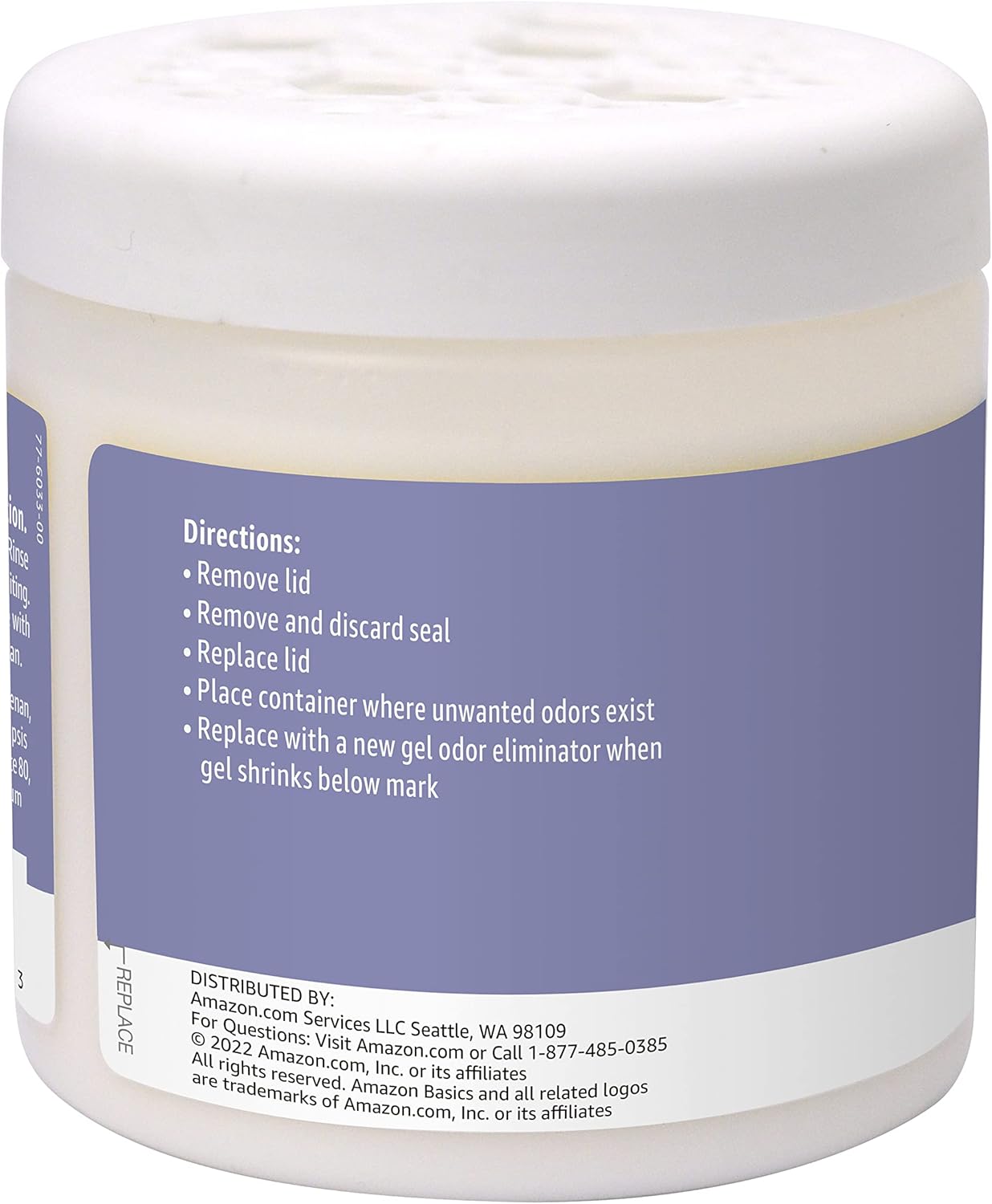
| EDITOR'S PICKKanberra Gel 3oz - All-Natural… | Mid-tierActivated Charcoal Odor Absorbe… | Budget pickAmazon Basics Gel Odor Eliminat… | |
|---|---|---|---|
| Form | Gel | Charcoal bags | Gel |
| Scent | Tea tree | — | Lavender |
| Size | 3 oz | — | 17 oz |
| Pack count | 1 | 10 | 1 |
| Pet safe | Pet-safe | — | — |
| Price | $21.99 | $21.99 | $5.39 |
| See on Amazon → | See on Amazon → | See on Amazon → |
The Three Main Formats: A Tier-by-Tier Comparison
Activated charcoal products for cars cluster into three meaningful categories based on price, longevity, and thermal tolerance. Each has a genuine use case — and a genuine failure mode. The sections below work through all three.
Bamboo Charcoal Bags: The Long-Haul Budget Option
Bamboo charcoal bags — linen or burlap pouches filled with porous activated bamboo charcoal — are the format that dominates owner reviews and recommendation roundups. Apartment Therapy’s 2024 bamboo charcoal bags review notes that reviewers across multiple product SKUs consistently praise two things above everything else: the rechargeability and the multi-year usable lifespan.
The recharging mechanic is simple. Every 30–60 days, you set the bag in direct sunlight for one to two hours. UV light opens the charcoal’s pores and releases the trapped odor molecules back into outdoor air, essentially resetting the bag. Owners describe this as a genuine differentiator from gel or spray formats, which expire and get thrown out. Multiple reviewers have described what you could call the “vacation test” — leaving bags in a sealed car over a one-to-two week trip and returning to noticeably fresher air — as their personal proof of concept. Good Housekeeping’s 2025 best car air fresheners roundup highlights this rechargeable cycle as a key reason charcoal bags justify their cost over time relative to disposable options.
What they’re actually good at: General mustiness, food smells, pet odor, and the damp smell that follows a wet umbrella or flooded floor mats. Wirecutter’s 2024 guide on eliminating car odors confirms that activated charcoal performs best on moderate, ambient odors rather than acute, heavy contamination.
The smoke question: Owners who’ve tried bamboo charcoal bags on cigarette or smoke odor report mixed results — modest improvement over time, but rarely a complete fix without a prior deep-clean. Smoke odor penetrates fabric and headliner at a molecular level; charcoal helps maintain freshness after a clean but isn’t a standalone solution for a heavily smoked vehicle. If smoke remediation is the core goal, professional ozone treatment followed by charcoal maintenance is the path most experienced detailers recommend.
The car-specific heat advantage: Most bamboo charcoal bag reviews are written for closets, shoe racks, and bathrooms — not cars. The car environment adds two variables: confined space (faster saturation, which is actually an advantage) and extreme heat. Bamboo bags are fabric and charcoal — they do not melt, liquefy, or degrade in summer heat the way gel formats do. Leaving a bamboo bag under a seat in a 120°F parked car in July is structurally safe. The charcoal may release some stored molecules in extreme heat (approximating a recharge cycle), but the product is not damaged. This is a meaningful and underreported advantage over gel alternatives.
Amazon
$5.39
In stock on Amazon
Check price on AmazonGel-Format Activated Charcoal: Convenient Until the Sun Hits It
Gel-based activated charcoal products occupy a mid-market niche. They’re typically sold in small tubs or cups, offer a more finished visual presentation, and are marketed at the “set it on the dashboard” buyer.
Here’s the hard problem: gel formats and car heat are a structurally bad combination.
Owner reviews of widely available gel-format activated charcoal products surface a consistent complaint across multiple SKUs: the gel liquefies under seat during warm months, creating a mess and rendering the product unusable for the duration of the season. This isn’t a one-off incident; the pattern appears across multiple gel-format reviews and is a structural issue with the format, not a brand-specific defect. Gel products have a lower heat threshold than solid counterparts by nature of their physical state.
Interior car temperatures on sunny days routinely exceed 130°F in warm climates — a threshold no consumer gel format is rated to withstand consistently. Car and Driver’s 2025 best car air fresheners roundup acknowledges that placement and thermal environment are critical variables for any non-solid format, a point that applies directly to gel-based odor products used in vehicle interiors.
The honest verdict on gel in cars: Gel formats work in temperature-stable environments — a garage, an office, a home storage space. In a car that sits outdoors in summer, gel products placed under a seat, in a trunk, or on a dashboard are a liability from roughly late spring through early fall in any warm climate. If you’re in a climate with genuinely mild summers or you’re making a winter purchase and the car is garaged, a gel’s cleaner look is more defensible. But the cost-per-day math collapses once you factor in a product that melts after one season without a refill path.
Activated
$21.99
In stock on Amazon
Check price on AmazonKanberra Gel and Antimicrobial Alternatives: The Mold Specialist
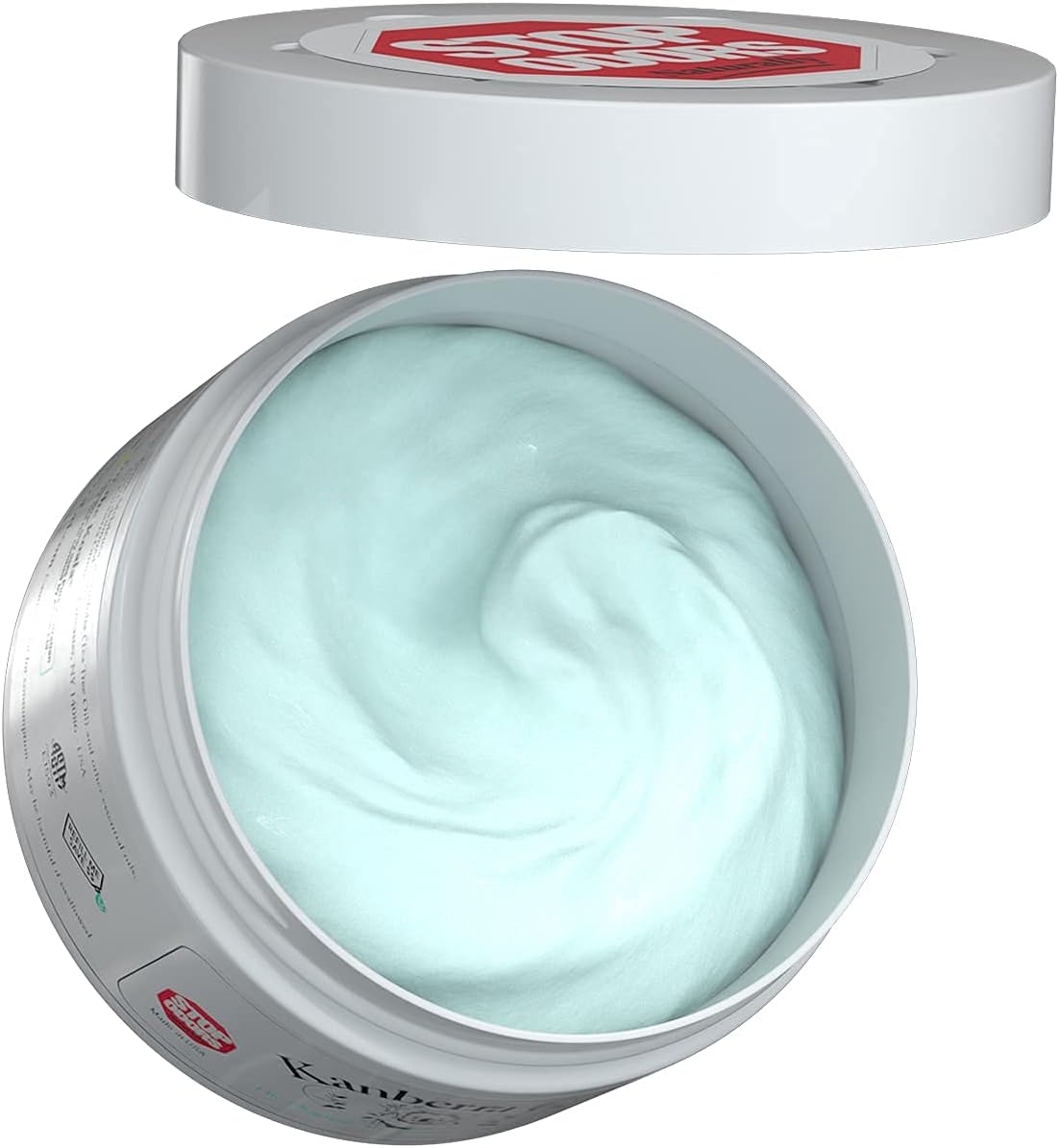
Kanberra Gel occupies a distinct category: it’s not activated charcoal, but it’s frequently compared to charcoal bags because it competes for the same “passive odor eliminator” buyer. It uses tea tree oil as its active ingredient — a natural antimicrobial — rather than adsorption. Car and Driver’s 2025 best car air fresheners roundup notes that antimicrobial products address the odor source rather than just capturing ambient molecules, which matters specifically when the smell is caused by mold growth in HVAC ducting or under-carpet moisture.
Reviewers who have used Kanberra Gel in cars consistently flag two findings. First, it works — specifically on mold, mildew, and musty smells that have a biological source. Second, it’s expensive relative to bamboo bags, and it has no refill path. When the gel is gone, you buy a new unit.
Owners who’ve compared the two formats directly tend to conclude: Kanberra Gel for an acute mold situation as a targeted intervention, bamboo charcoal bags for long-term maintenance once the source is addressed. The two aren’t in direct competition — they solve different problems at different points in the remediation process.
The heat limitation: Kanberra Gel shares the same thermal vulnerability as other gel formats. It is not designed for under-seat placement in a car that sits in summer sun. Use it during the cooler months or in a garaged vehicle, then transition to bamboo bags for year-round maintenance.
Kanberra
$21.99
In stock on Amazon
Check price on AmazonHow Many Charcoal Bags Does a Car Actually Need?
This is the question aggregated owner reviews surface constantly — and it’s rarely answered directly in product listings. Multiple bamboo charcoal bag reviewers report wishing higher-count packs were available, which signals a real deployment gap: people buy a two-pack, realize the car needs more coverage, and order again.
Here’s a practical framework based on owner-reported placement patterns:
Recommended bag deployment for a standard mid-size car:
| Zone | Recommended bags | Notes | Tier |
|---|---|---|---|
| Front footwells (2) | 1–2 × 200g bags | Under seats or in footwell corners | Amazon — $5.39 |
| Rear footwells (2) | 1 × 200g bag (center or split) | One 500g bag works here too | Amazon — $5.39 |
| Trunk / cargo area | 1 × 500g bag | Especially if pets or grocery use | Activated — $21.99 |
For a compact car, two 200g bags are often sufficient. For a full-size SUV, truck cab, or a vehicle with persistent odor problems, owners consistently report that four to six 200g bags (or equivalent 500g units) placed throughout the cabin produce noticeably better results than one or two bags placed only in the front. Charcoal adsorbs what it can reach via air circulation, so distributing units gets you better whole-cabin coverage.
The Lifespan Question: Recharge vs. Replace
Manufacturers typically claim a two-year lifespan with regular monthly recharging. Owner reviews are broadly supportive of this claim, though results vary with use conditions.
Signs a bag needs recharging, not replacing: Odor starts returning between one and two months after the last sunlight session. The bag has been in regular use but hasn’t been recharged recently.
Signs a bag is actually exhausted: Odor returns almost immediately after a full recharge cycle — within a week rather than a month. The bag has been in use for 18–24 months with regular recharging, or has been in a very high-odor environment (daily pet transport, a recently smoked-in vehicle). At exhaustion, the charcoal’s pore structure is saturated and the recharge cycle no longer clears it effectively.
One owner heuristic that appears repeatedly across review aggregations: if two consecutive monthly recharges — each a full two hours of direct sun — don’t restore meaningful odor control, replace the bag. The cost to replace a 200g bamboo charcoal bag is low enough that the decision is easy when you reach that point.
Frequently Asked Questions
Can I put a bamboo charcoal bag under a car seat in summer without it melting or degrading? Yes — this is one of bamboo charcoal bags’ real advantages over gel formats. The bag is linen and activated charcoal; neither material is damaged by high heat. Extreme heat may trigger a partial passive recharge by causing the charcoal to release some stored molecules, but the bag remains structurally intact and functional throughout summer.
How do I know when a charcoal bag is exhausted and needs replacing vs. just recharging? If odor returns within a week or two after a full recharge (two hours of direct sunlight), and that pattern repeats over two consecutive monthly cycles, the bag is at end of life. A bag that merely needs recharging will recover meaningfully after a proper sun session.
Do charcoal bags work on smoke smell or just general mustiness? They help with smoke as a maintenance tool but are not a standalone remediation solution for a heavily smoked vehicle. The consistent owner-reported pattern: charcoal bags slow the return of smoke odor between cleanings and help keep a professionally cleaned car fresher longer — but if the fabric, headliner, and HVAC system haven’t been addressed first, charcoal alone won’t resolve an established smoke problem.
Are gel-format activated charcoal products safe to use in a hot car? Not reliably. Owner reviews document the gel liquefying under summer heat conditions, which is both a mess and a functional failure. Gel formats should be treated as unsuitable for under-seat or dashboard placement in any climate that sees sustained summer heat. Bamboo bags remain the safer format for year-round car use across seasons.
How many charcoal bags do I need for an average-sized car? For a standard sedan or mid-size car, three to four 200g bags (or two 500g bags) distributed across the front footwells, rear footwells, and trunk is the configuration most owners find effective. Going too light — one or two bags in the front only — is the most common underpowered setup reviewers describe. If the car has a persistent odor issue, start with four and assess after 30 days.
The Decision Rule
If the smell is general mustiness, pet odor, or lingering food smell and you want a two-year passive solution you can recharge: bamboo charcoal bags, deployed across four to six locations in the cabin, are the clear default. The cost-per-day math is strong, the heat tolerance is real, and the rechargeable mechanic is something gel and spray formats simply can’t match.
If the smell is mold or mildew and you need an antimicrobial intervention rather than pure odor capture: a tea-tree-oil gel product such as Kanberra Gel is worth a cycle as a targeted intervention, followed by bamboo bags for maintenance once the source is addressed.
If you’re considering a gel-format activated charcoal product for under-seat or trunk use in a car that sits in the sun: don’t. The thermal failure is documented and consistent across owner reviews. Save gel formats for home use where temperature stability is controlled.
The charcoal bag market has matured enough that the decision is mostly about deployment density and placement, not brand. Buy enough bags to cover the whole cabin, recharge monthly, and the two-year lifespan claim holds up well in the owner record.